Following the Mid-Autumn Festival holiday, Dongguan Huidia Electronic Technology Co., Ltd. quickly resumed full production and successfully completed its first batch of concentrated shipments after the holiday.

In early August 2026, the NEPCON Vietnam exhibition was held in Hanoi, attracting many well-known international equipment manufacturers.

In SMT (Surface Mount Technology) production lines, efficiently inspecting PCBs after reflow soldering, intercepting defective boards, and seamlessly transferring good boards are critical factors affecting overall factory throughput.
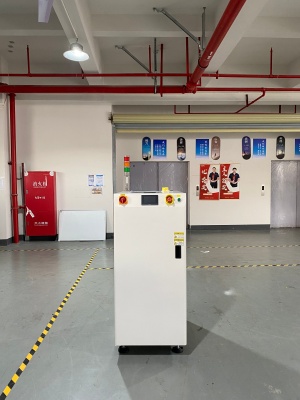
Recently, Dongguan Huidiya Electronic Technology Co., Ltd. (located in Chashan, Dongguan) completed strict in-house commissioning of a custom-built 1M Telescopic Lifting Conveyor for a specific project, and the equipment has now been packaged for delivery.

Recently, Dongguan Huidia Electronic Technology Co., Ltd. completed in-house assembly and inspection for a batch of dual-cart transfer machine orders.

Recently, the HDY-2 to 10M Series Dual-Carriage Shuttle Conveyor (4.5m customized version), independently developed and produced by Dongguan Huidiya Electronic Technology Co., Ltd.

Between July 20 and July 27, 2026, Dongguan Huidia Electronic Technology Co., Ltd. completed in-factory assembly, power-on testing, and final inspection for a batch of export orders. The equipment has been packed and shipped to Vietnam.

After reflow soldering or pick-and-place, SMT lines often require an in-line screening step to automatically separate good PCBs from defective ones while buffering against cycle time fluctuations between upstream and downstream processes.

In an automated SMT line, board loading is often the step that involves the most manual intervention yet receives the least attention. Operators repeatedly pick up boards, edges get chipped, and changeover rhythm is interrupted – all hidden costs that accumulate over time.

AI servers (e.g., NVIDIA B200, H200) have been selling like crazy in recent years, driving upgrades across the entire SMT (Surface Mount Technology) production line.
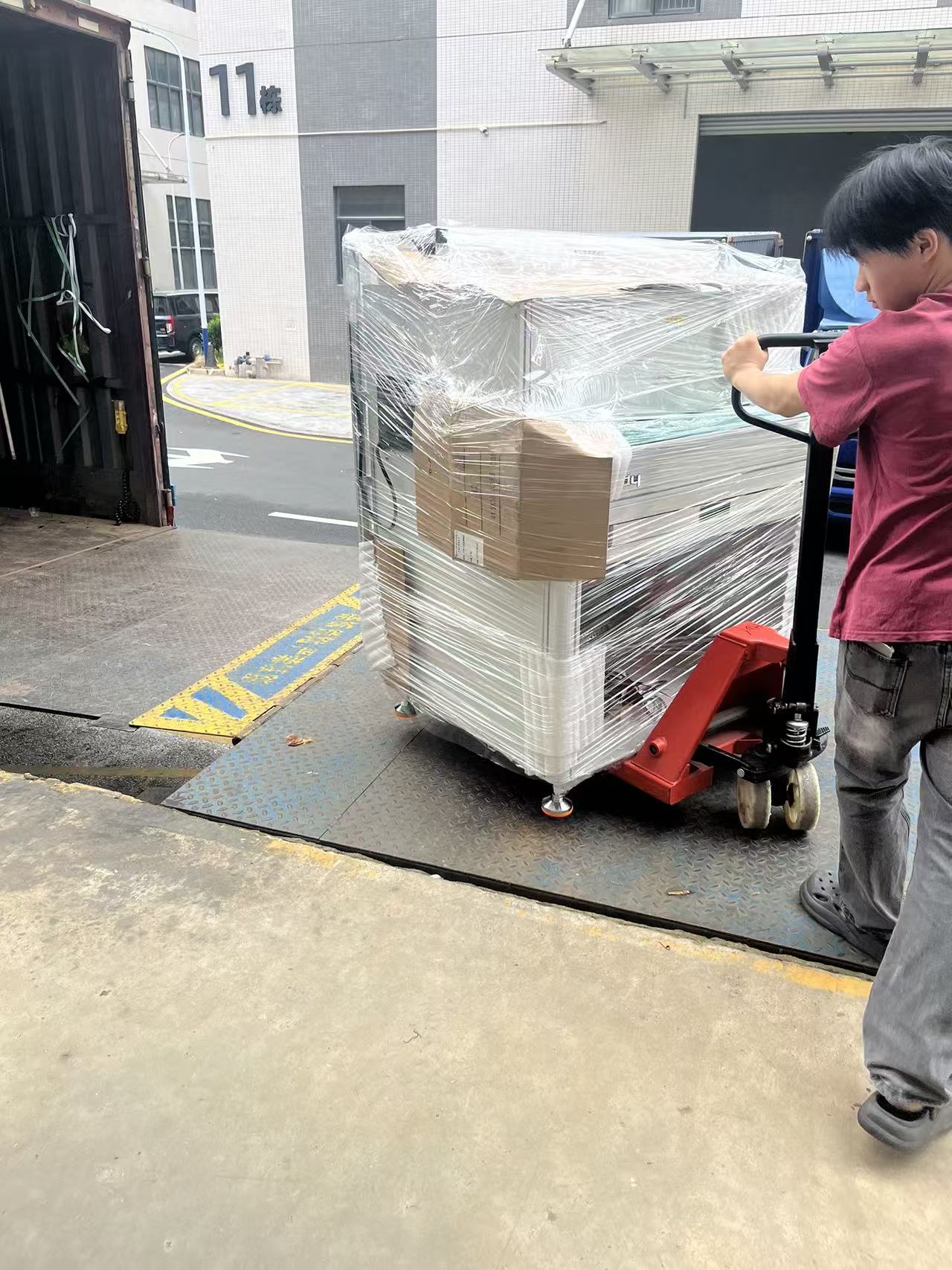
We are pleased to announce the successful shipment of eight 1.2-meter conveyor transfer tables and eight 0.6-meter conveyor transfer tables to our customer in Vietnam.

As the electronics manufacturing sector continues to evolve, several noteworthy trends and changes have emerged in the field of Surface Mount Technology (SMT).